
This story includes discussions of suicide. If you or someone you know needs help, the national suicide and crisis lifeline is available by calling or texting 988.
We’ve long focused on the physical injuries sustained by service members and first responders, eager to get them back in the field. In Boca Raton, agencies and advocates are turning the spotlight to mental health.
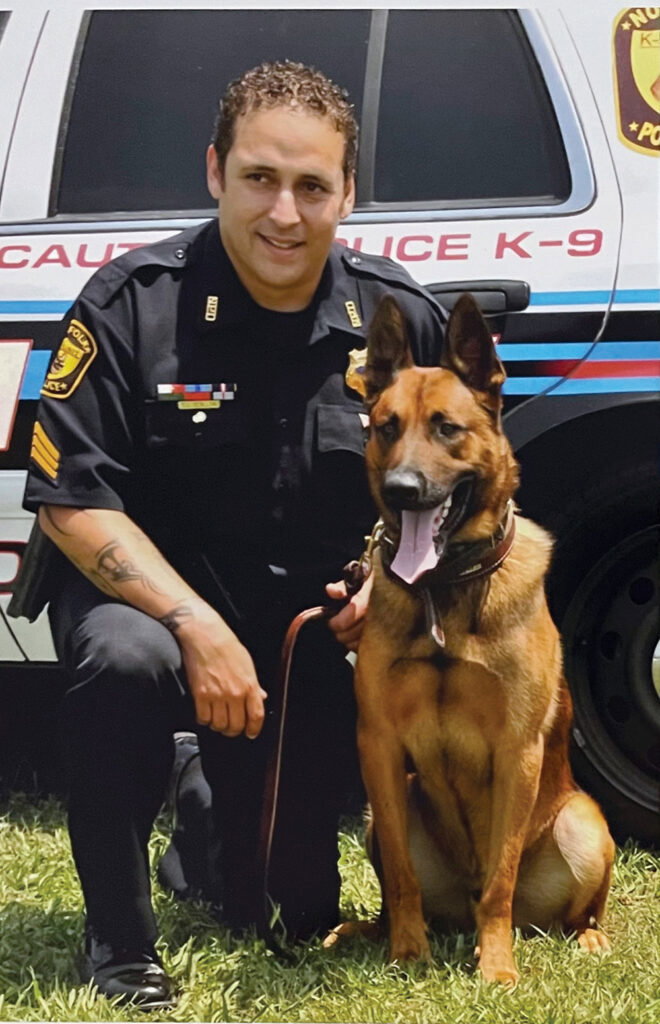
Christopher Scallon’s first therapy session ended before it even began. A police officer in Norfolk, Va., he sat down on the couch and took off his jacket, which revealed his holstered gun.
“Oh, I see you have your gun on you,” the clinician said. “Go ahead and put that in your car and then come back.”
“Not a problem,” Scallon replied. He went back to his car. Then drove away.
Therapy wasn’t right for him. This proved it. This therapist didn’t even understand his job; how could he comprehend his suicidal thoughts, the injured children he helped, the shootings while working undercover, or the images from digging through wreckage at the World Trade Center?
What do I do? he remembers thinking. How do I fix this? How do I correct this?
Apparently, therapy wasn’t one of the answers.
According to a 2021 study by the Centers for Disease Control and Prevention (CDC), police officers and firefighters are more likely to die by suicide than killed in the line of duty. A study at Brown University that same year found that post-9/11 combat veterans are four times more likely to die by suicide at home than by being killed while deployed.
Post-traumatic stress disorder (PTSD) has long been a part of the experience for these groups—it was called “shell shock” during World War I—but for generations, our lack of understanding of mental health (or our refusal to acknowledge it) had us only focusing on physical ailments: the bullet wounds and amputations, not the nightmares and panic attacks.
According to the 2025 National Veteran Suicide Prevention Annual Report, there were 17.5 suicides by veterans per day in 2023. However, some groups argue that the number of suicides in veterans is much higher, closer to 44.
The United States Department of Veterans Affairs (VA) has been catching up with treating not just physical injuries, but psychological ones as well. The department has an entire mental health landing page on its site (mentalhealth.va.gov), discussing addiction and recovery, military sexual trauma, PTSD, depression and anxiety, and suicide.
A shift is also happening in Boca Raton. Scallon is now an advocate for mental health within the veteran and first responder space, including being a part of a brand-new program at Lynn University. He is using his background in law enforcement and Navy service to educate the next generation of mental health counselors.
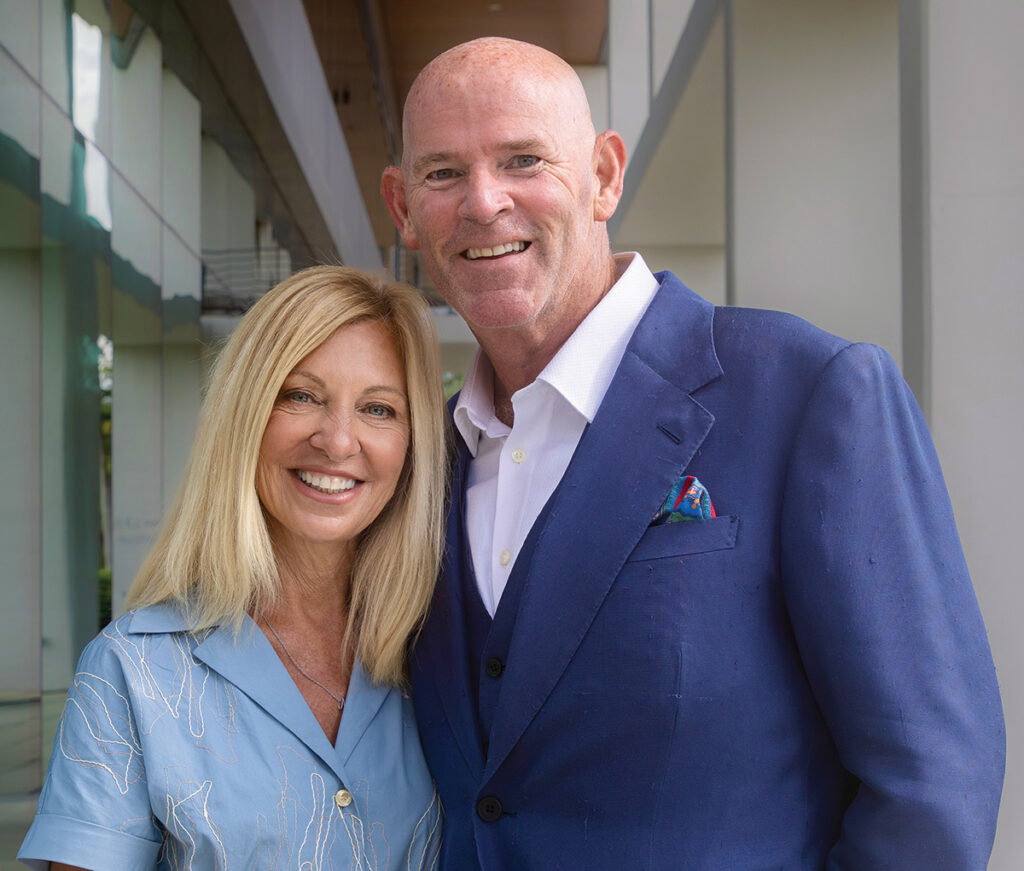
Kevin Lynch, a 2012 graduate and the founder of the Quell Foundation, partnered with his wife, Karen Lynch, the former CEO of CVS Health, to donate $5 million to found the Karen S. Lynch Center for Leadership and Social Impact at the university. This includes the creation of the Crisis, Resilience, and First Responder Trauma Training (CRAFT) program, where students learn how to be trauma-informed counselors to those who have experienced trauma from the workplace. This past summer, the program celebrated its six inaugural graduates.
Scallon, along with those who had responded to the Oklahoma City bombing, Pulse nightclub shooting, Sandy Hook shooting, and other tragedies, were asked to be a part of creating the program.
“Everybody’s different, obviously, with … how they respond to trauma,” Scallon says. “You have people that come out of a gunfight, and one person just needs some time off, and they’re fine. And another person can’t get it out of their head. It’s both totally valid.”
Jody Rodriguez, a South Florida sheriff’s officer, is also a licensed clinical mental health graduate from Lynn University. With almost 25 years of policing under her belt, she was motivated to study psychology because of the suicide rates she saw in her field. That included a friend with whom she went through the police academy.
“The newer generation is a little bit more open to talking about trauma or whatever they might be experiencing here,” Rodriguez says. “The older generation, like myself, we’re still struggling with it, because it’s been embedded in us that if you do that, you’re weak.”
For someone who has devoted their life to public safety, or in the case of the military, service to their country, having their job taken from them is stripping away their identity. With this job, they respond to the worst day of people’s lives, write up a report, and then go to the next emergency. Over and over again.
But by going through the program at Lynn, Rodriguez learned therapy was more than just sitting on a couch and talking to a couselor with a clipboard. “There are so many different ways of getting someone to open up and talk rather than just sitting in an office. … I wish that there was a way of getting more first responders to maybe even give it a shot, to understand.”
Mind & Body
According to the Mayo Clinic, PTSD symptoms include intrusive memories, avoidance, negative changes in thinking and mood, and changes in physical and emotional reactions. People can develop these symptoms even a year after a traumatic event. In the case of veterans and first responders, their repeated exposure to trauma makes it difficult to turn off that flight-or-fight response, even when they’re in what others would consider a relaxing, calm atmosphere.
“Cortisol is spiked in your brain,” explains Cary Reichbach, an Army veteran and the founder of the Grey Team. “You’re always in fight or flight, and even when you come home for periods, the thing that kept you alive over there is what kills you when you come home, because you can’t turn that off.”
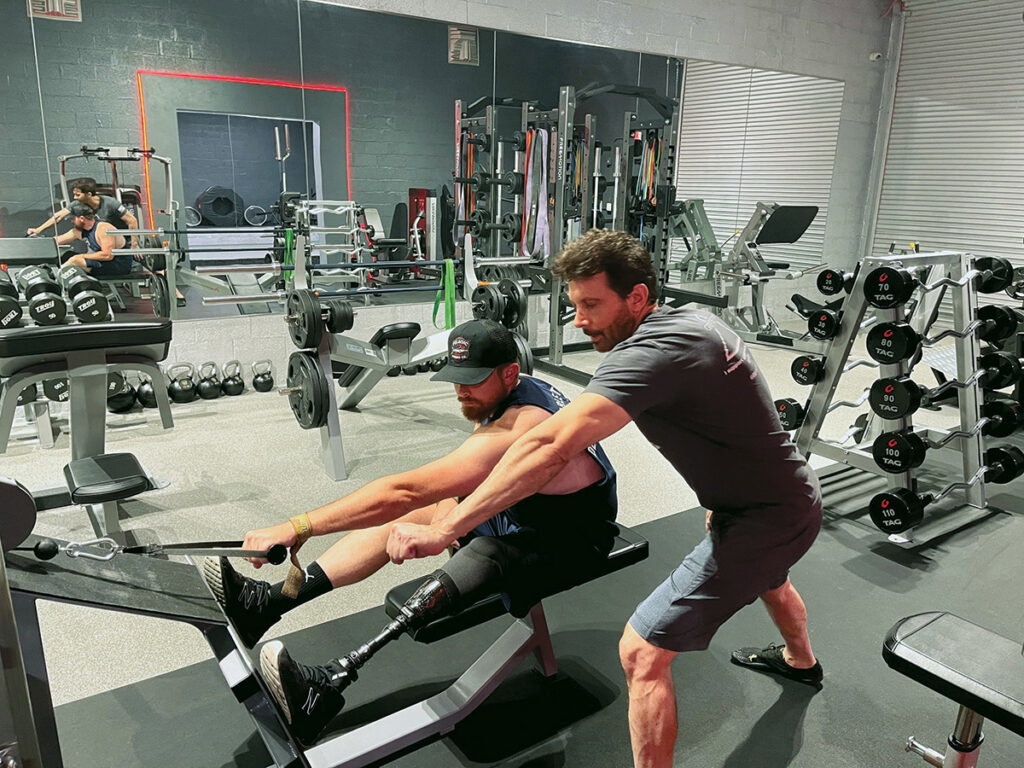
Walking into his Boca Raton facility, you’ll probably be greeted by Atlas, a retired military dog who provides canine therapy support. At the Grey Team—named for grey matter in the brain combined with the nickname for elite Special Operations units—veterans take part in a 90-day program that may include personal training, nutrition, hyperbaric oxygen therapy, photobiomodulation therapy, cryotherapy, vagus nerve stimulation, pulsed electromagnetic frequencies, infrared detoxification, cryotherapy, transcranial brain lasering, and more.
“Instead of taking pills, why don’t we get to the root cause and actually fix it? Let’s quiet the central nervous system down.
Let’s knock the inflammation out of our bodies, out of our brains,” Reichbach says.
People who have walked through these doors have seen the worst of the worst. There was the man whose wife walked in on him with a gun to his head—her scream made him shoot into the ceiling. Or the solider whose best friend was shot by a sniper just as they were rotating positions.
Reichbach was inspired to start the Grey Team after he helped a friend through a mental health crisis. He had returned from Afghanistan as a machine gunner, and the constant weapon cycling right next to his head caused inflammation, among other issues.
“He couldn’t go to school, he lost his job, he lost his wife, and what do you have to live for at that point?” Reichbach says. “Suicide seems like a wonderful solution at that moment.”
The Grey Team also hosts camping retreats and social outings. But some of the most powerful healing happens in the game room as veterans shoot pool. And of course, Atlas is always around.
“If I slip into a trigger state where something is really bothering me, I don’t even have to speak or anything. He will come up to me and nuzzle against me to try and calm me down, and if I don’t respond to that, then he will actually bark,” Reichbach says.
Devil Dogs
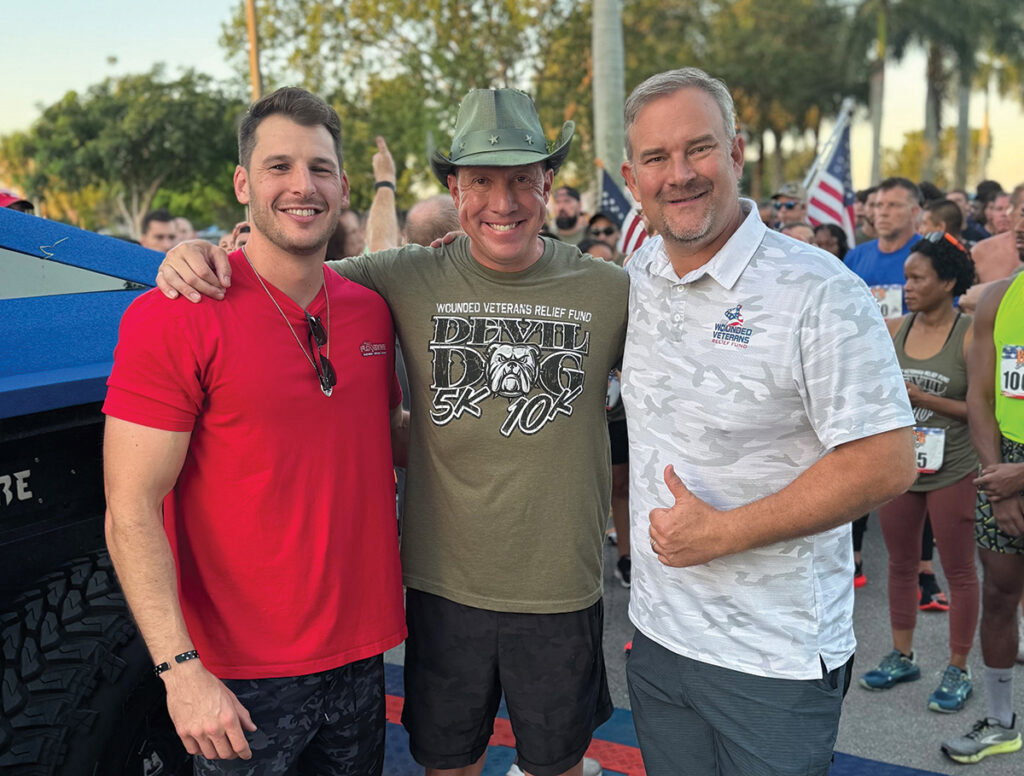
On Saturday mornings, Marine veteran Wade Waddick works out with veterans and first responders at his gym, Evolution Fitness Boca. It’s a free fitness class that brings together people looking for camaraderie, or fighting their demons. “These people were in really dark, bad places and almost weren’t there anymore,” he says. “They all talk about it openly, because you’ve got to talk about it.”
Many end up staying for hours to discuss their shared experiences. Waddick is also mentally keeping a tally on who is missing; even the most well-adjusted need to be checked in on. “I went to lunch with someone who, if you would have said of all the people who come every Saturday, ‘we lost one,’ this would be the last person on our list,” he says.
The fellow Marine didn’t drink, went to church on Sundays, and was financially stable. But he admitted something to Waddick: He was going to call him to ask to get all of the guns out of his house, because he had plans to kill himself. Thankfully, he didn’t go through with it.
“I called all my buddies and texted all those friends, guys I served with, and I said, ‘check on your people, man.’ This is the last person, most squared away and dialed in every way … I didn’t see something coming.”
Every October, Waddick organizes the Devil Dog 5K/10K in Boca Raton, named for the nickname given to Marines. More than 1,000 runners now participate, raising over $100,000 annually for the Wounded Veterans Relief Fund, which provides services to veterans in emergency need of financial assistance, including rent, car payments, and even replacing missing or damaged teeth.
Some veterans are reluctant to take part, since running has long been a punishment—so Waddick added a 1-mile run. He laughs, though, pointing out that every year, a Vietnam veteran has taken part in the race from his electric scooter. (wvrf.org)
K-9 Power
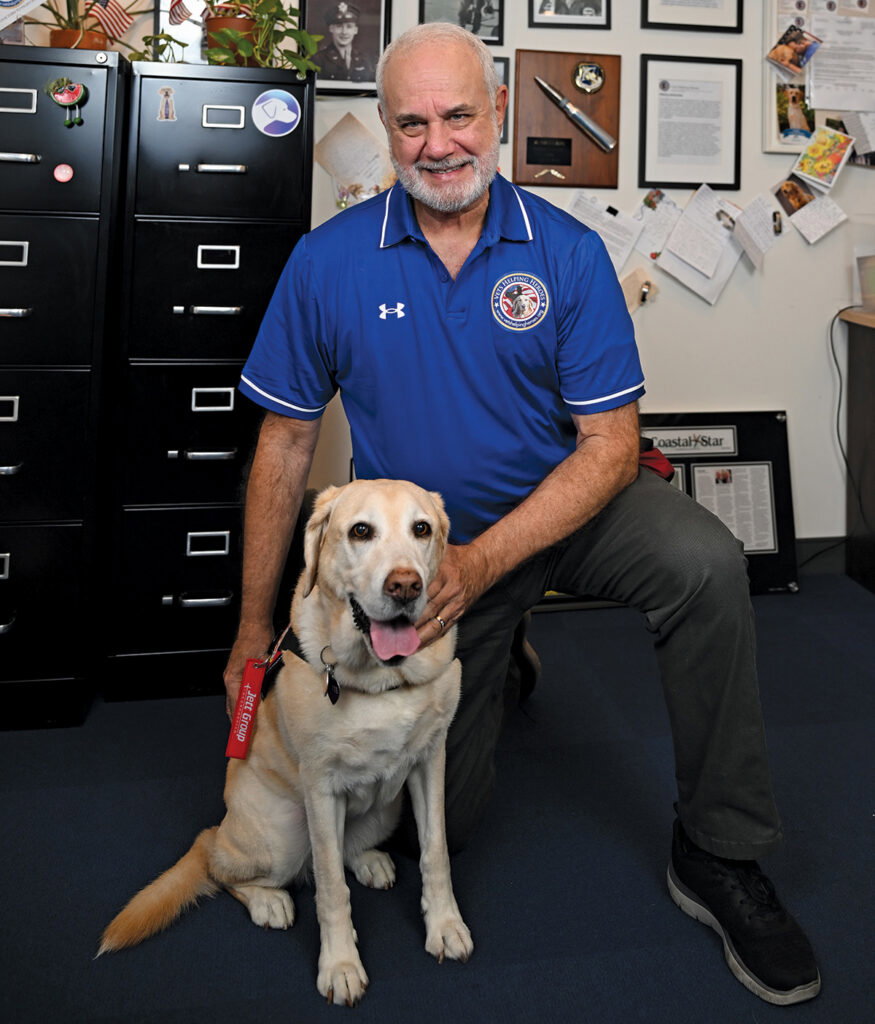
Vets Helping Heroes in Boca Raton knows the magic that happens between a dog and their human. Especially a human who has been through hell and back.
Latte the yellow lab is never too far from Robert “Bob” Engelman, a retired Air Force captain and vice president of the board. While Latte didn’t pass the guide dog program, she makes an exceptional service animal. Engelman says she still remembers her guide dog training; when they walk down the stairs, she walks ahead of him and keeps looking back to make sure he’s keeping up with her.
Because of the careful breeding and strenuous training process, service animals can cost tens of thousands of dollars, with guide dogs costing even more. Through donations and grants, Vets Helping Heroes can provide these dogs to recipients for free. And the guarantee is for a lifetime—if a dog is retired or dies, another canine is provided. Since its founding in 2007 by the late Irwin J. Stovroff, a World War II Army Air Corps veteran who was also a prisoner of war, the organization has gifted 1,800 guide, service, and therapy dogs. The mission has expanded to first responders.
In 2021, the PAWS (Puppies Assisting Wounded Servicemembers) Act was passed with bipartisan support, which called on the VA to run a pilot grant program supplying veterans with funds to get a service dog. It’s starting small at five VA locations, including West Palm Beach.
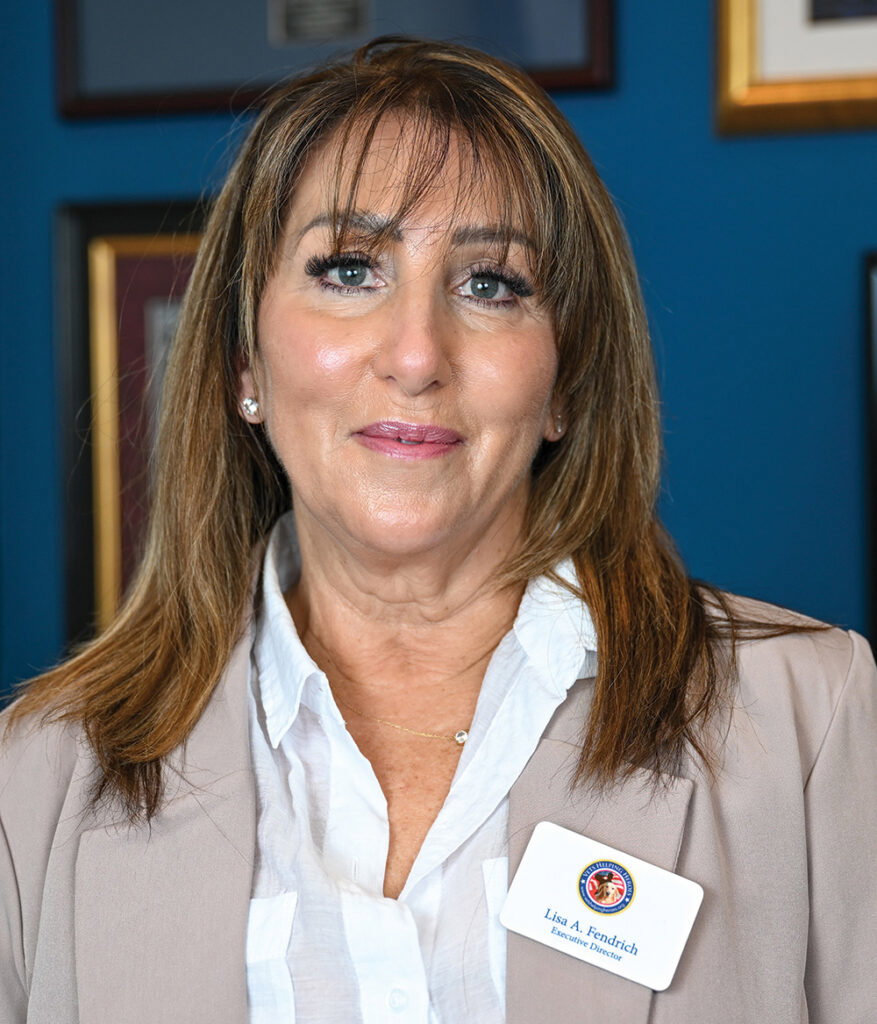
“I love what I do. I get to see the rewards,” says Lisa Fendrich, executive director of Vets Helping Heroes. “The impact of the dog is immeasurable.”
There’s the story of a woman who lost her arm while deployed in Iraq, and until she got her dog, she would lock herself away in her room. Or the dog who knocked a gun out of her owner’s hands and hugged him.
The president of the organization is retired Lt. Col. Mel Pollack, a 20-year Air Force veteran who was held as a prisoner of war in Vietnam for five years and eight months. Or 2,068 days, “but who’s counting,” he jokes. His Phantom aircraft was shot down in North Vietnam in July 1967; rescue was impossible in such a remote area, and 30 minutes later he and his co-pilot were greeted with a barrage of bullets. They were taken to a POW camp; Pollack was just 25 years old.
Pollack was moved to seven or eight different camps, but during transport, it was the perfect opportunity to communicate with other American POWs.
“Even though you might be shackled or blindfolded, you were sitting in a truck, and you could smell another American, figuratively speaking, with a tap code. Tap on the guy’s leg, and they tap back. Who are you? What’s your name? When were you shot?
“When we finally did get together later on in the war, we were able to go through the memory banks that we all had. So we made sure we left no one behind.”
For a year, his cell at Hoa Lo Prison—GIs called it the Hanoi Hilton—was next door to future Sen. John McCain. Pollack was finally released in March 1973, just before his 31st birthday. After his military service, he worked in the private sector and now devotes his life to volunteering.
“I like certainty. So, my PTSD hasn’t been triggered, but it’s been stretched,” Pollack says, after the experience. “We find with a lot of the recipients of our dogs with their PTSD, they don’t like closed quarters or people too close, and the dog is trained to get in front of them, between them and the crowd.
“They can really function, and they don’t have that blank look in their eyes, and they have compassion. It’s very interesting. You have to see it to believe it.”
Walk it Out
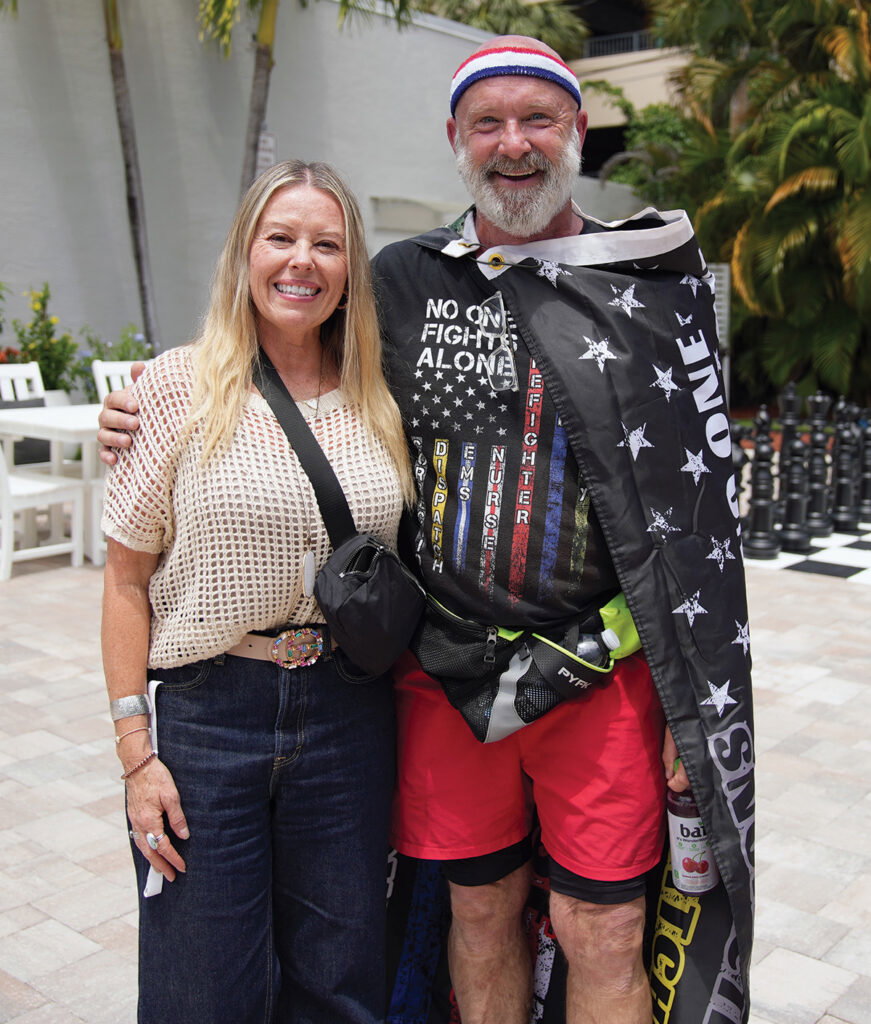
Since 2022, Tim Roberto, director of community relations at Beachway Therapy Center and the founder of Stomping Out the Stigma, has hosted hours-long walks to raise awareness for mental health struggles that first responders and veterans face, and his hotline connects those in crisis with counselors.
“Asking for help is one of the boldest things a man or a woman can do, especially as a veteran or a first responder. It’s so bold most people can’t do it,” he says.
Roberto explains that he grew up in an “aggressive household” with traumatic experiences, and after he joined the Marine Corps, his mental health issues were exacerbated until he was discharged. He turned to alcohol and drugs, and when he was 44, a friend dropped him off at a treatment center in Deerfield Beach, where he cleaned toilet bowls and picked up cigarette butts, then went back to school. He became sober in April 2007, and in 2021, to celebrate his impending 15 years of sobriety, he wanted to do something for veterans and first responders. Stomping Out the Stigma was born.
He took it back to Deerfield Beach. Since he lives in Boynton Beach, the 20-mile walk takes him about nine hours. Soon, people began to join him, which he says leads to “powerful, old-school conversation.” In December 2025, he upped the ante and completed a 100-mile walk from Tequesta to the Surfside memorial in Miami-Dade County. Over nine days, he wore his signature cape with all the different flags of the military branches. “If I could only write a book on how many stories that cape has, it would blow you away,” he says.
Stomping Out the Stigma has grown alongside the walk. He now accepts calls from all across Florida, Georgia, North Carolina, and New Jersey; the day of our interview, he received a call at 12:40 that morning.
“I feel I have to be there for that person, because maybe that was going to be the last decision that they made before they made another decision that they couldn’t come back from,” Roberto says. “When you’re down in the drain and in that hole, the thinking is so distorted. It’s just not a very good place to be.”
A New Path
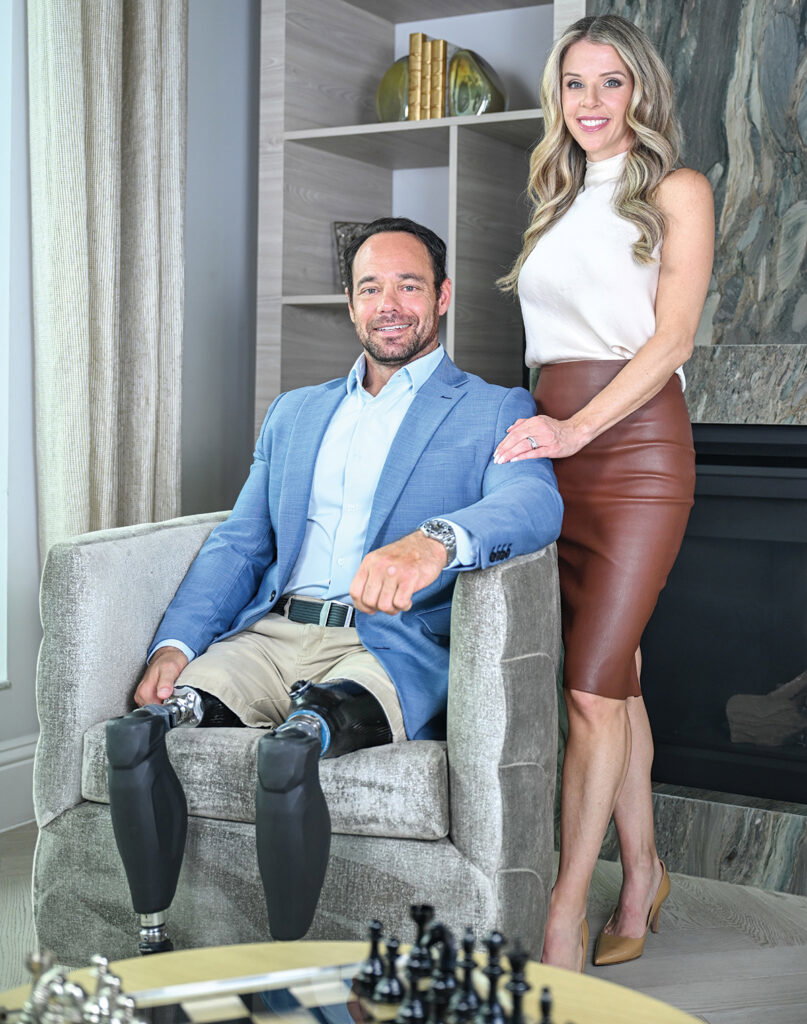
Before deployment, servicemembers go through Battlemind orientation—developing “mental toughness” and the “warrior ethos.” But when they return home, it can be difficult for some to turn this off and go back to school pickup lines and grocery shopping.
This time of transition is an area that’s of special interest for the Yellow Ribbon Fund. Gina Harrow, the nonprofit’s executive director, explains that it’s one of the areas of service that the fund focuses on. Its Crossroads program is tailored to help with housing and transportation, and the Keystone program provides support for caregivers and family members. Veterans and their families can participate in wellness activities and seminars on budgeting, intimacy after injury, emergency preparedness, peer-to-peer support, and more.
“There’s this ongoing need for continued support, and so we need to make sure that these families are taken care of,” Harrow says, pointing out that the veteran space tends to be very regimented. When an injury occurs, it can derail a lifelong plan. “Then all of a sudden, that gets taken from you.”
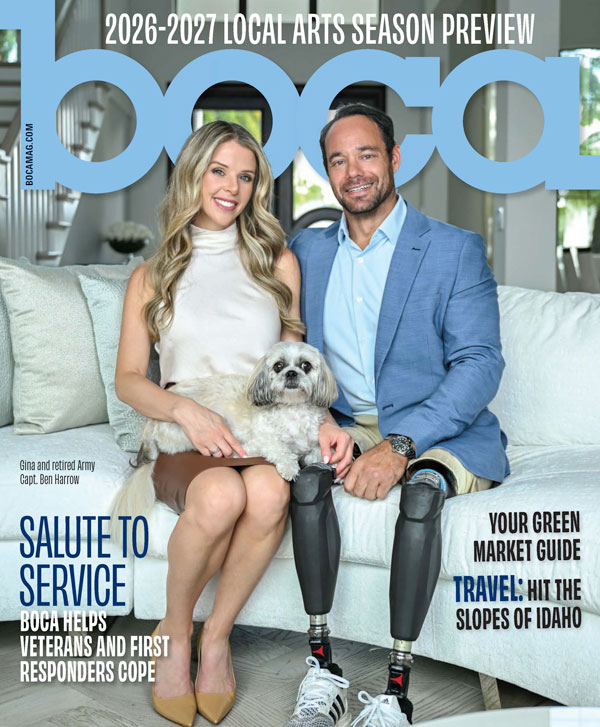
The Harrows experienced this firsthand in May 2012. Gina’s husband, Ben, was serving in Afghanistan as a Special Forces team leader; it was his last deployment before he retired, and he was due back home in the fall. Meanwhile, Gina was at home in the U.S. with their baby boy when she saw she had multiple missed calls on her cellphone—her husband had stepped on an IED (improvised explosive device). He lost both his legs, and his right arm was severely injured.
“My son was well taken care of with my parents … but it was so many unknowns with Ben. Was there a brain injury? Would there be PTSD? What is it like for him losing both his legs? And then it turned out he ended up sustaining catastrophic wounds on his arm, and he almost lost his arm,” she remembers.
A restless week after she got the news, she met him at Joint Base Andrews in the ambulance. He smiled at her, and she says, “I can’t explain how awesome that was, because I was like, OK, I feel like it’s Ben. It’s the Ben I’ve always known.”
While at Walter Reed National Military Medical Center, Gina met Annie McChrystal, a board member for the Yellow Ribbon Fund. Gina was inspired by the mission and now serves as its executive director from the Harrows’ Boca Raton home. In her seven years with the nonprofit, she’s had a front seat to watching countless military families receive the help they need. That includes opening up about difficult topics.
“[Service members are] very proud. They’re very selfless. So it takes a lot for them to ask for help or accept it. We’ve come to a point where it’s encouraged and it’s also applauded, because by helping yourself, you’re paving a path for others to get the help that they need.”
Each May 15, the Harrows celebrate Ben’s Alive Day. Three years after the accident, their family expanded with the addition of their daughter.
“Neither of my children have any recollection of Ben with legs,” Gina says. “If you get to know my husband, you know that doesn’t stop him from being an amazing dad.”
Lying by Omission
During conversations for this story, the common theme of lying when asked about mental health came up. Not out of pride, but out of fear that they would lose benefits or be put on desk duty.
“You find yourself lying about what you’re going through for the purposes of securing a job and your future,” says Christopher Scallon, a retired police officer and Navy veteran.
During basic training in Alabama, Cary Reichbach was training in the dead of winter, in the rain, and on very little sleep. He developed an upper respiratory infection and a fever, but when he asked to go to sick call, his sergeant accused him of malingering—a military term for pretending to be sick or injured to get out of work.
“That was a lesson to me at 17, that no matter what happens, you’re not sick, you’re not hurt, and you don’t ever ask for help, ever. You help the guy next to you. You help tighten up his backpack. You help fix the straps on his parachute. Whatever you do, you’re always helping somebody else, but you never ask for help yourself. And unfortunately, that carries over as you become a civilian.”
Ruck Up
After Christopher Scallon’s first unsuccessful experience with therapy, he shares the second time he decided to give it a try. He was admittedly adversarial and made sure the clinician saw his gun, testing him.
“Do you have a problem with me carrying a gun?” Scallon remembers asking him.
“Do you want to kill me?” the clinician asked. “Do you want to kill yourself?”
No.
“You’re a cop, right? Don’t you wear that every day?”
Yes.
“I don’t have a problem with it.”
He found someone who understood him, and also held him accountable—Scallon also remembers the therapist telling him, “If you want me to help you, then we need to talk about some real stuff … my job is not to be nice to you. My job is to help you.” Scallon says, “From that moment on, it was a game changer.”
With his and others’ lived experiences, he hopes that future counselors through Lynn’s trauma training program will be ready to help veterans and first responders.
“This program will have saved a veteran, a first responder that otherwise would not have been saved. That’s worth it,” Scallon says. “Sometimes you don’t see the good that you’re doing, because … we’re planting the seed to a tree that will never have the luxury of a shade … but I know that that tree is going to be huge.”
Rodriguez, the police officer in the program, says of first responders and veterans, “Remember that we are a different breed.”