
The former home of an imagined African country. A gown meant to be a showstopper—literally. The art of the people, only in a massive hallway. Boca Raton has some fascinating, offbeat history and culture if we know where to look.
Hall of Fame
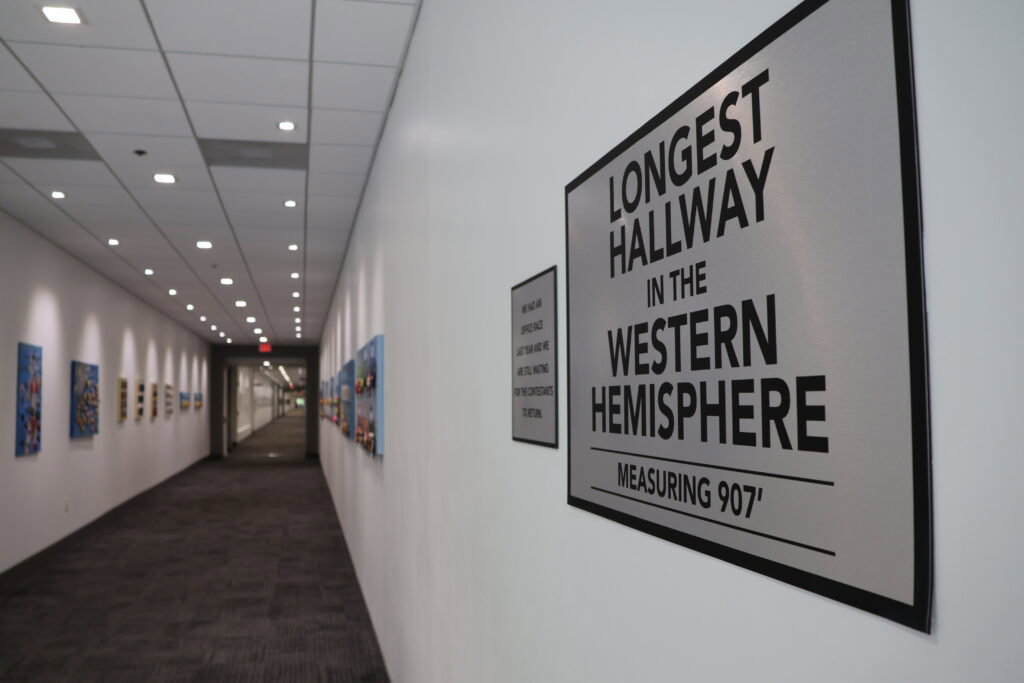
at BRiC
Sometimes, a Florida attraction perfectly accomplishes what it says in the name. Gatorland? Legoland? No prizes for guessing.
And when you show up at the Boca Raton Innovation Campus looking for the longest hallway in the Western Hemisphere—well, let’s just say you’d better not be expecting some midsized hallway.
For the first quarter century or so of its history after its 1970 opening, the sprawling campus was home to IBM’s North American research and development headquarters. Designed with the confident, concrete angles of the Jet Age by renowned architects Marcel Breuer and Robert Gatje, it was known for many things. A home for IBM innovation. A landmark of Brutalism. A place with a really rather long hallway.
The hallway checks in at 907 feet. According to Architectural Report, it and other long hallways on the site had a practical purpose. The building combined, in close proximity, offices, labs, and more industrial spaces. A long hallway was intended to create cooperation—rather than being far apart, people from different departments who worked in different spaces emptied onto one Silk Road of innovation.
Today, the hallway also serves a purpose, but a slightly different one. IBM left 30 years ago; in 2023, operating partner CP Group rebranded it as BRiC. Today it’s home to a small city of businesses rather than one tech giant. It’s also home to art; the entire length of the Western Hemisphere’s longest hallway is covered in it.
Art at BRiC isn’t confined to one amply proportioned hallway. The art is part of Art on BRiC Walls, a program and self-guided tour of the art hanging throughout the campus. Some of it is from local students; other pieces are on loan from area museums. All of them are part of a plan to make BRiC more than just a big business park.
“Given BRiC’s unique history and prominence within Boca Raton, we believed from the beginning that it should serve the entire community, not just the companies who office there,” says Giana Pacinelli, CP Group’s director of communications. “Creating opportunities for events, art, education, and public engagement helps ensure the campus remains relevant, vibrant, and connected to the city around it.”
Out of Africa
In 1960, Life magazine put a Florida tourist attraction on the cover. Busch Gardens had opened the year before, but Life didn’t go to Tampa. And Walt Disney was still a few years away from even beginning to quietly start buying Central Florida farmland. This attraction lay farther south.
By the time popular Boca destination Africa USA hit the Life cover, it had been open for the better part of a decade. According to contemporary reports, when it opened in 1953, admission was free to the nearly 180-acre park, but you paid to ride trams through Tanziniki, the country that Africa USA owner John Pedersen concocted. An early brochure promised Zambezi Falls, “Florida’s largest scenic waterfall,” as well as “Florida’s only geyser, the Watusi geyser.”
If you thought Boca had no naturally formed great falls or geysers, you would be correct. Pedersen piped in water from a nearby canal.
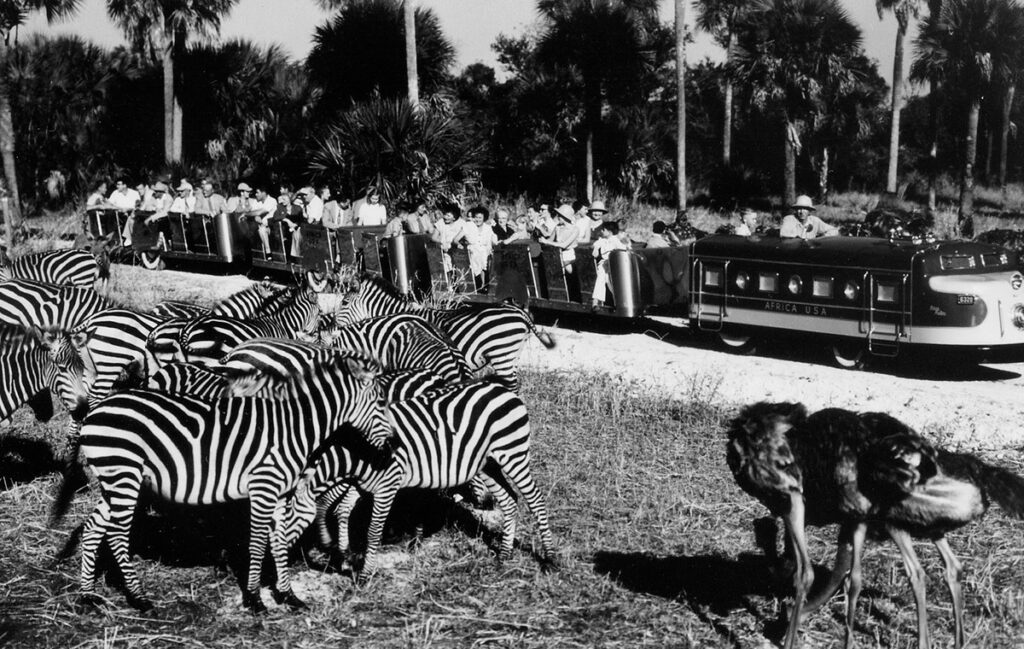
But the main attraction was the animals Pedersen imported. Cheetah, elephant, zebra, giraffe, monkey—Tanziniki wasn’t real, but it was crowded. Workers roamed the grounds, trying to get animals seeking shade out into the open where visitors could see them.
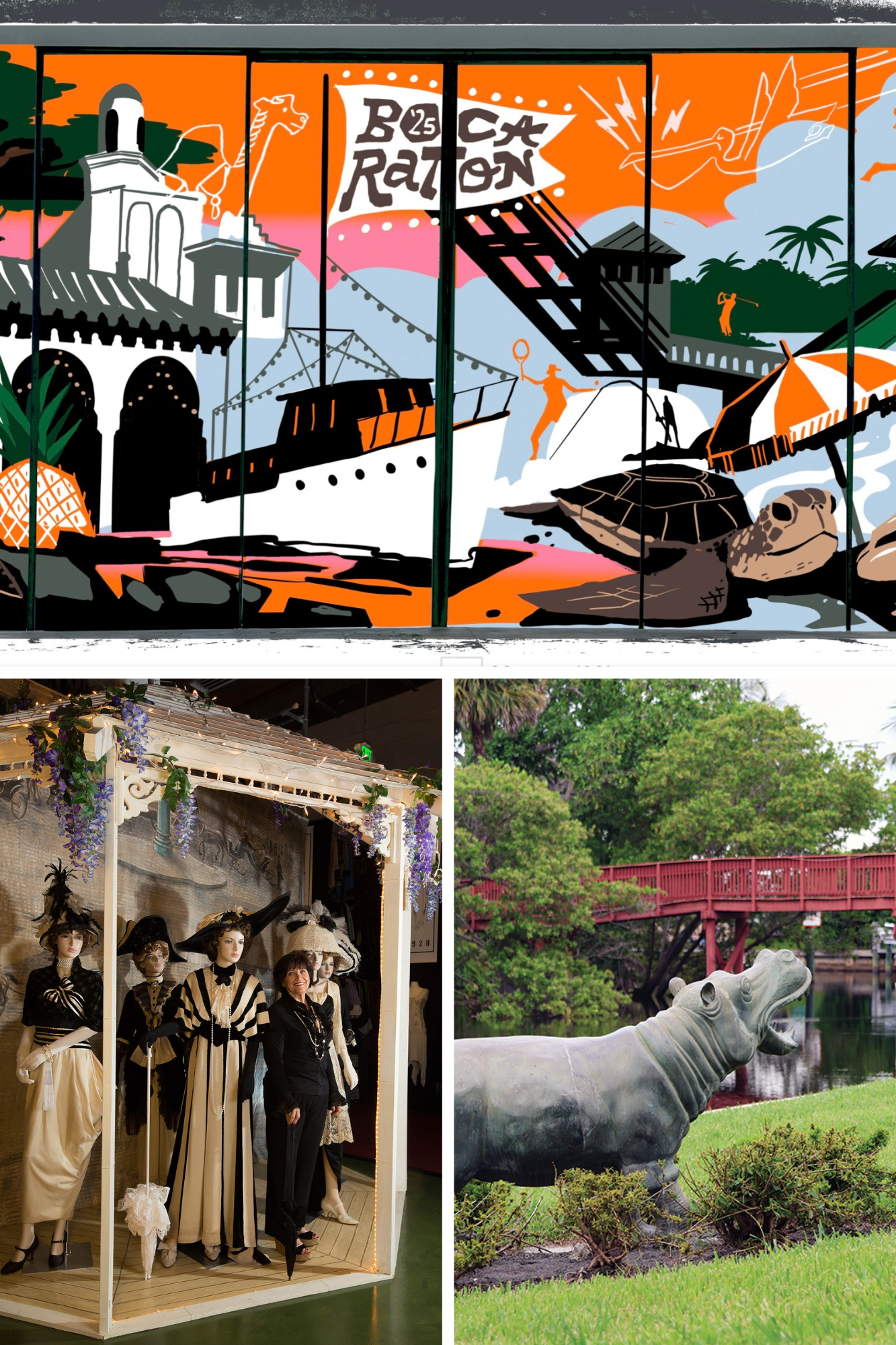
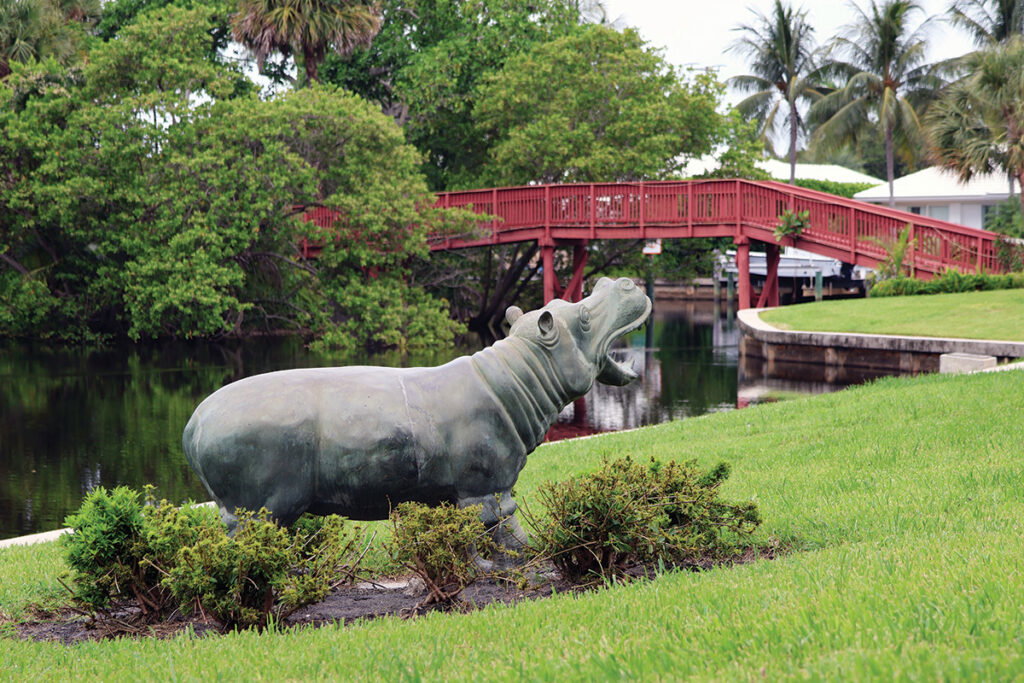
By 1961, Africa USA was gone. Pedersen had been feuding with the city and saw change and development coming. Today, the Camino Gardens neighborhood sits on the old Africa USA, with remnants such as the red bridge to Monkey Island and a hippo statue. Legend has it that there are still monkeys playing in the trees.
Sequined History
The night of the embassy ball has arrived. Professor Higgins has drilled and trained Eliza Doolittle for weeks; now she’s on her own. Her entrance—the former London flower seller, now able to speak with the uppermost of Edwardian England’s upper crust—is meant to be a stunner. And it is, thanks in no small part to her breathtaking gown.
That gown—worn by Julie Andrews in My Fair Lady’s first run on Broadway and London’s West End—was designed by legendary British costumer and photographer Cecil Beaton. His work on the subsequent film would earn him Oscars in 1965 for Best Costume Design and Best Art Direction; the film took Best Picture. The film featured a different gown and a different Eliza, Audrey Hepburn. But the original wowed them on stage in London and New York.
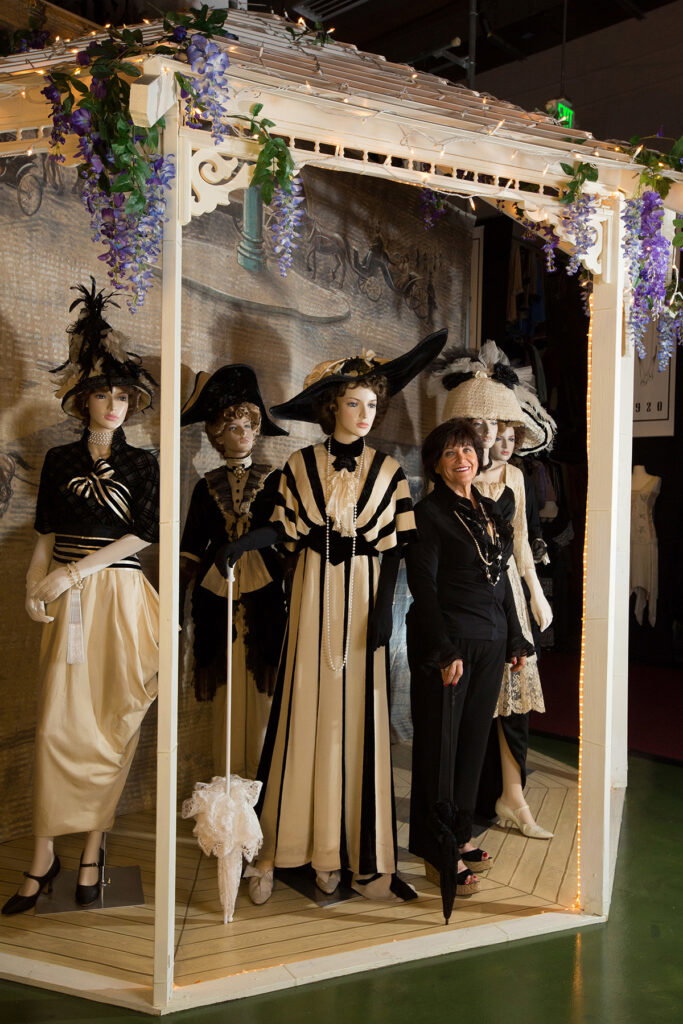
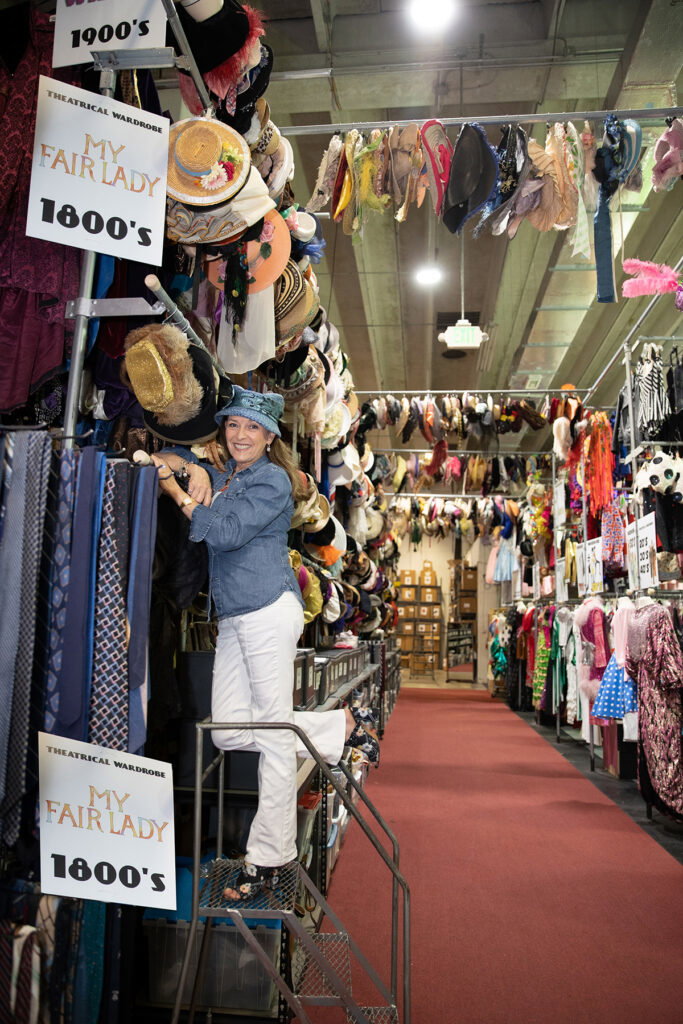
And now, in Boca. The gown is part of the collection at The Wick Theatre and Costume Museum. The museum opened in November of 2013, less than a year after Marilynn Wick reopened the former Caldwell Theatre. The owner of Costume World and the Costume World Broadway Collection had a respect for the institution—theater itself, and the Caldwell.
“For 35 years, they were one of the best theaters on the East Coast,” says Kimberly Wick, Marilynn’s daughter and museum curator (among the many other hats she wears at The Wick).
Today, that respect for history shows up everywhere from an old Caldwell set tapestry that hangs in the theater’s ornate lobby hall, to the commitment to classic musicals (the upcoming season includes Oliver! and How to Succeed in Business Without Really Trying) and, of course, the museum. Its fall exhibit is a tribute to Bob Mackie, the “sultan of sequins” whose designs are famously associated with The Carol Burnett Show, Elton John, and Cher. History never looked so fabulous.
Boca’s Brushstrokes
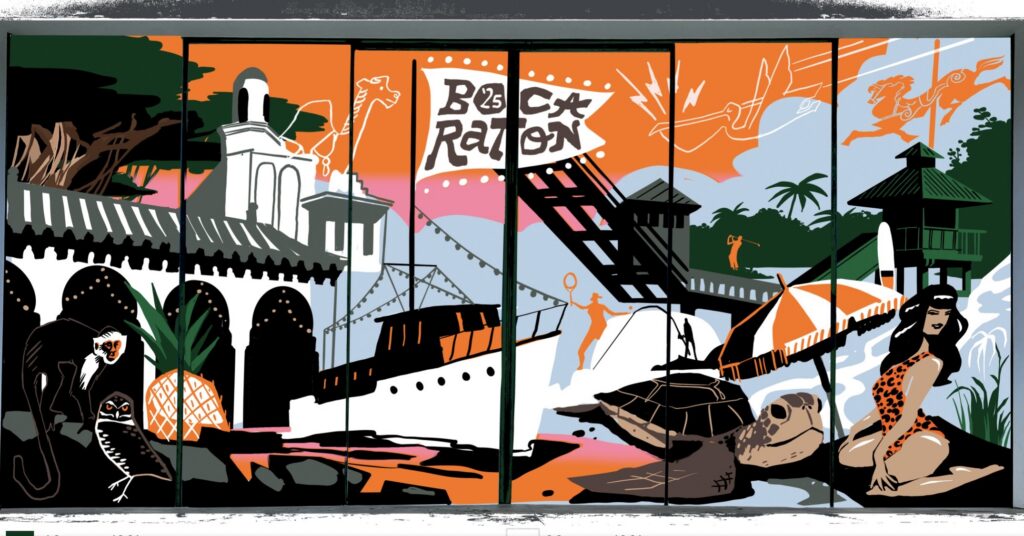
The Ode to Boca mural at Mizner Park Amphitheater pairs well with words. That was the idea.
When Boca Raton celebrated its centennial in 2025, the city teamed up with the O, Miami poetry festival to help people find the words to show their love. The city also brought in artist Brian Butler to give the amphitheater stage doors a multifaceted and whimsical treatment of Boca’ s history and present. The art and seven selected poems now sit near each other.
“The odes to Boca really ended up being the heart and soul of the whole centennial,” Boca Raton Community Programs Manager Amy DiNorscio says.
Butler’s mural hits on all the city’s big “S”’s—a ship, sunbather, sea turtle, Spanish-style architecture. And each one has a meaning to the city, of course. Boca’s beaches draw thousands of sea turtle nests each year; Addison Mizner’s signature Spanish Colonial Revival and Mediterranean Revival architecture are seen throughout town; the ship is featured on the city seal; and the sunbather is Bettie Page, who did her iconic cheetah pinup shoot at Africa USA.
The entire Ode to Boca project was meant to be accessible to all residents, DiNorscio says, and Butler’s sweeping but playful mural offers that accessibility.
The Tunnels of FAU
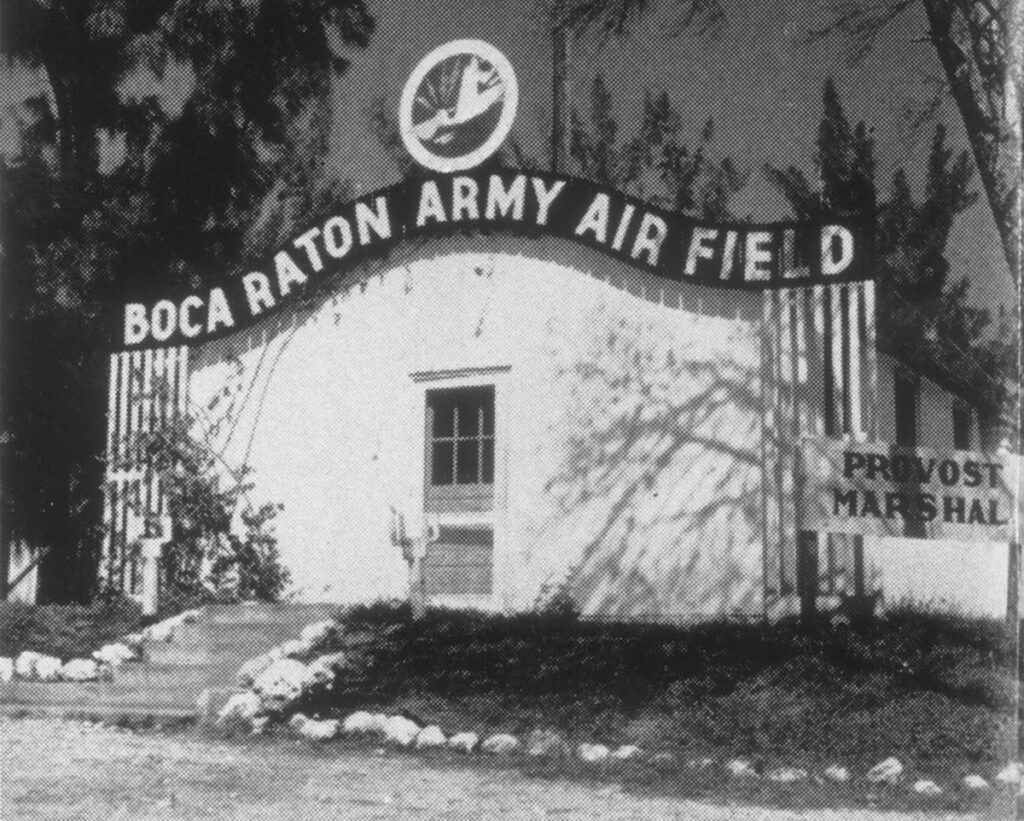
Alumni of Florida Atlantic University have probably heard whispers of a network of tunnels beneath the university, ones that were built during World War II for clandestine activities. Well, like many ghost stories, they’re just that—stories. The university and the tunnels were actually built in 1964, almost two decades after the end of the war, and are utility tunnels to allow maintenance staff to get across campus more quickly. That hasn’t stopped students from trying to explore them (before being promptly booted out by campus police).
However, FAU does have ties to World War II. The university is built on 1,000 acres of land that was originally occupied by the Boca Raton Army Air Field (today it’s the Boca Raton Airport Authority), and those grooves in many of the parking lots are a result of planes landing on airstrips, particularly Lot 5 and parts of the Student Union and Lot 23.
This story is from the September/October 2026 issue of Boca magazine. For more like this, click here to subscribe to the magazine.